Through the years, a deck might start suffering from mold, rot, and mildew, caused by moisture, turning the structure weaker. Or all the fasteners used to fasten lumbers and decking boards can rust or loosen and the ledger board that secures the deck to your house can loosen as well. Depending on the deck’s age and condition, the correct solution could be either deck board replacement or full deck replacement.
Deck Boarding Replacement:
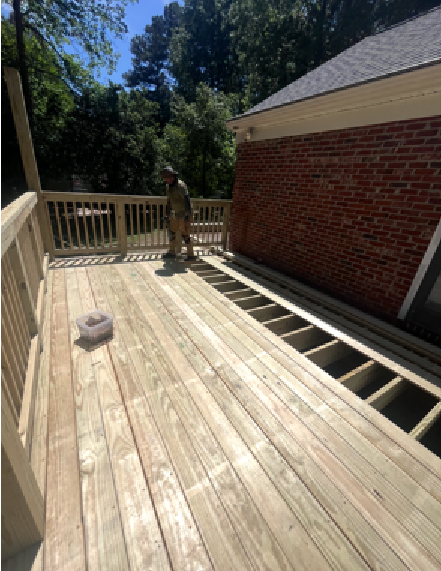
Deck board replacement is when the deck framing remains originally intact and only the surface boards are replaced with new ones. This is done when only the decking boards are suffering from rot, mold, and mildew otherwise the structure is good.
DECKING:
Full Deck Replacement:
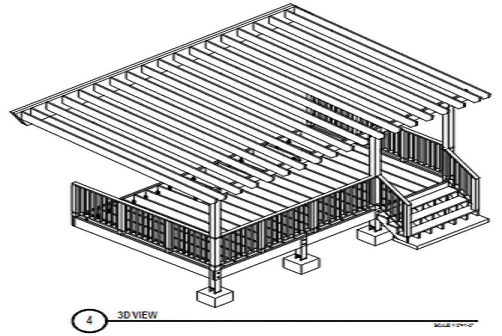
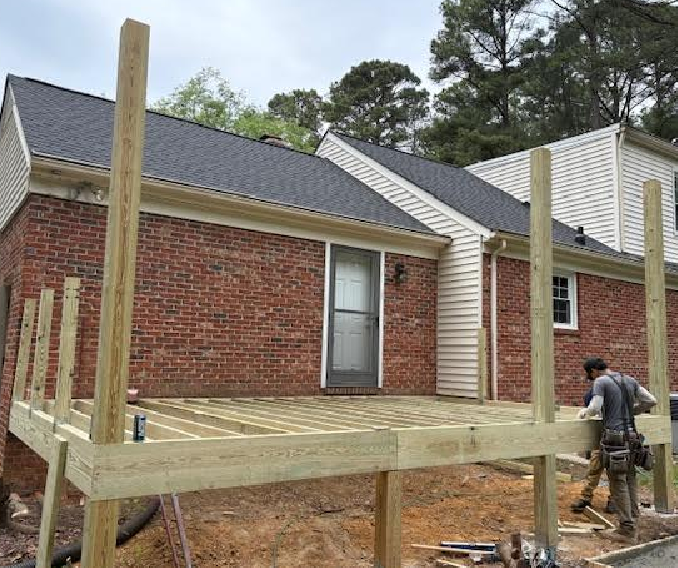
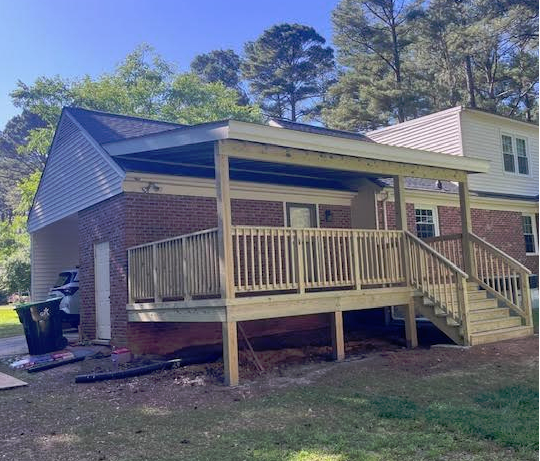
If you have an old deck already in place, and want to determine if repairing it or replacing it, a full deck replacement will be you best alternative when the deck structure is compromised. The process to replacing it will involve tearing down the old deck and installing a new deck, utilizing pressure treated lumbers or composite decking, which includes fasteners, hardware, posts, surface boards and railings (posters length will depend if whether or not a porch will be included). New deck installation, could be a lengthy process, requiring a permit which includes the following:
Plan design of new deck / porch
Plan approval from the city
Site plan with all measurements
Site plan approval from the county
Approved permit for: marks every 50 ft of property line, marks of underground utility lines, and marks of the proposed structure needing approval in the field.
Ongoing inspections during construction: (footing inspection, framing and final inspection)